June — Training in heat
A practical discussion about pacing, hydration, shade and environmental awareness in Jakarta. The session focuses on observation and planning rather than a universal prescription.
Format: 75-minute evening conversation.
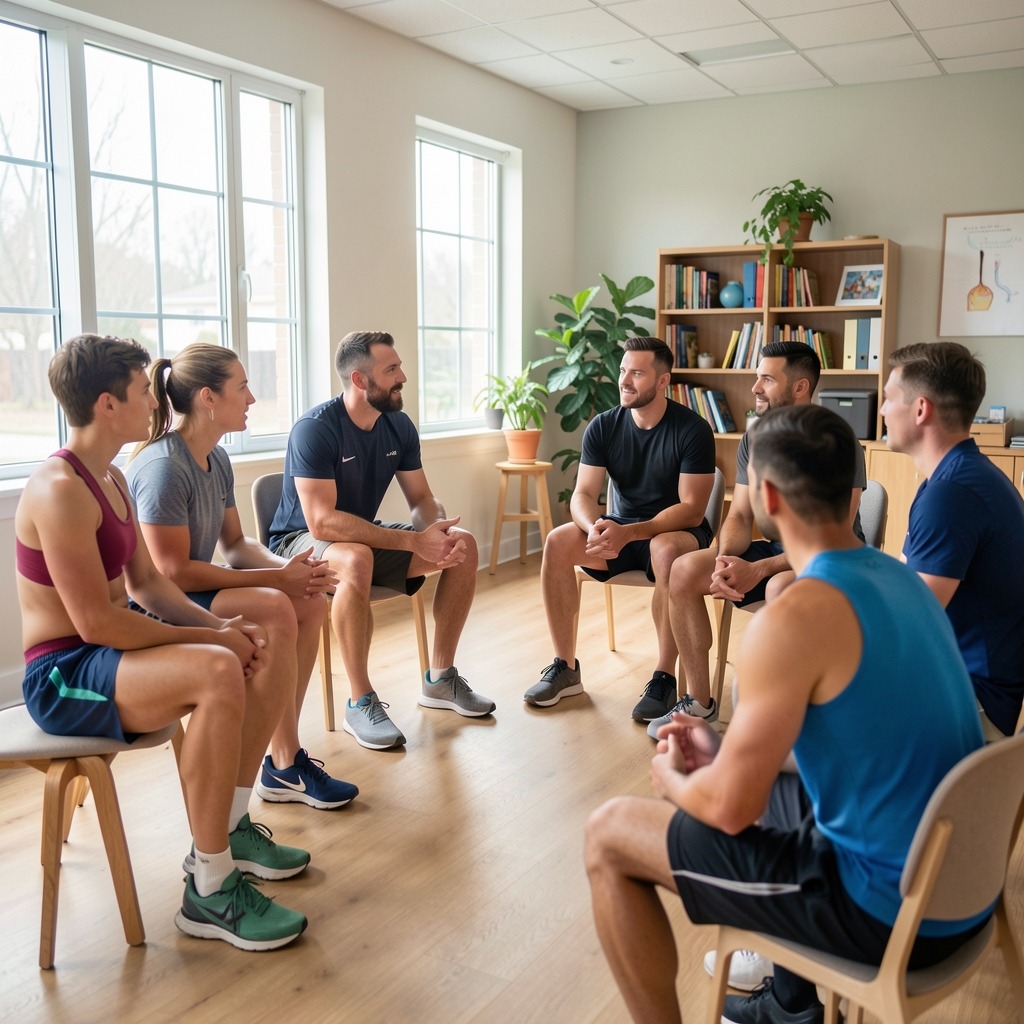
Nectar hosts small educational conversations with coaches, clinicians and readers. Sessions prioritise questions, context and respectful discussion rather than performance theatre.
Events are designed for adults who want to understand training choices in real surroundings: busy calendars, Jakarta weather, varying experience and the need to make space for other responsibilities.
The programme is organised as a sequence of conversations. Dates and formats may change when a venue or speaker becomes unavailable; confirmed details are published on this page and in the event notice.
A practical discussion about pacing, hydration, shade and environmental awareness in Jakarta. The session focuses on observation and planning rather than a universal prescription.
Format: 75-minute evening conversation.
A roundtable on progression, confidence, rest and how adults can describe a useful strength practice without age-based assumptions.
Format: moderated questions and small-group notes.
This structure leaves room for disagreement without treating disagreement as failure. A useful exchange may end with a better question, a clearer definition or a decision to seek individual assessment.
| Format | Useful for | What to expect |
|---|---|---|
| Open lecture | Building shared vocabulary | Short presentation followed by moderated questions. |
| Roundtable | Comparing practical perspectives | Several speakers explain how context changes a decision. |
| Workshop conversation | Working through a case example | Small groups map observations without producing personal prescriptions. |
| Reader clinic | Clarifying article questions | Editorial staff explain sources, terms and boundaries. |
“What would change if the same session happened in a different temperature?”
“Which part of this example is observation, and which part is interpretation?”
“What information would a qualified professional need before offering individual guidance?”
Accessibility requests can be sent to [email protected]. Please share only the practical support needed, such as seating, captions or a quieter arrival arrangement.
Attendance details are used to organise the session and communicate necessary changes. Event correspondence is normally retained for up to 24 months after the last meaningful exchange. Nectar does not publish participant names, photographs or quotations without a clear permission process.
Ask about an event