
Ergonomics
The 2-Minute Hourly Desk Reset
Four deliberate postural micro-movements designed to relieve cervical tension and re-engage dormant spinal erectors during intense work blocks.
Sedentary work environments and repetitive desk postures create subtle biomechanical restrictions. Nectar translates physical sciences into actionable daily walking habits, spinal decompression protocols, and sustainable joint mobility routines.
Evaluate your daily activity patterns and receive a personalized routine
Completing evaluation...
Pacing walking sessions at 100 to 115 steps per minute stimulates cardiovascular circulation, enhances venous return, and elevates daily metabolic vitality without joint strain.
Review Cadence Protocols →Prolonged seated flexion places continuous hydrostatic pressure on lumbar discs. Our hourly micro-resets decompress the spine and restore natural cervical alignment.
Explore Posture Resets →Articular cartilage relies on rotational movement to circulate synovial fluid. Daily progressive range-of-motion drills preserve hip, ankle, and shoulder longevity.
Explore Joint Science →
Walking is humanity's primary functional movement pattern, yet modern lifestyles frequently reduce step quantity and diminish walking quality. Research in sports physiology demonstrates that cadence—the frequency of steps taken per minute—is a critical metric for cardiovascular health.
When cadence reaches a rhythmic 100 to 115 steps per minute, mechanical loading is distributed uniformly across the kinetic chain, engaging calf muscle pump mechanisms that facilitate venous blood return to the heart without generating excessive impact forces.
Following demanding physical training or long days of cognitive work, the intuitive response is often passive immobility on a sofa. However, comparative recovery studies reveal that gentle, structured active recovery accelerates muscular restoration far more effectively.
Low-intensity walking combined with deliberate multi-planar mobility drills promotes capillary circulation, clears metabolic waste products, and stimulates parasympathetic tone to facilitate deeper nighttime sleep.
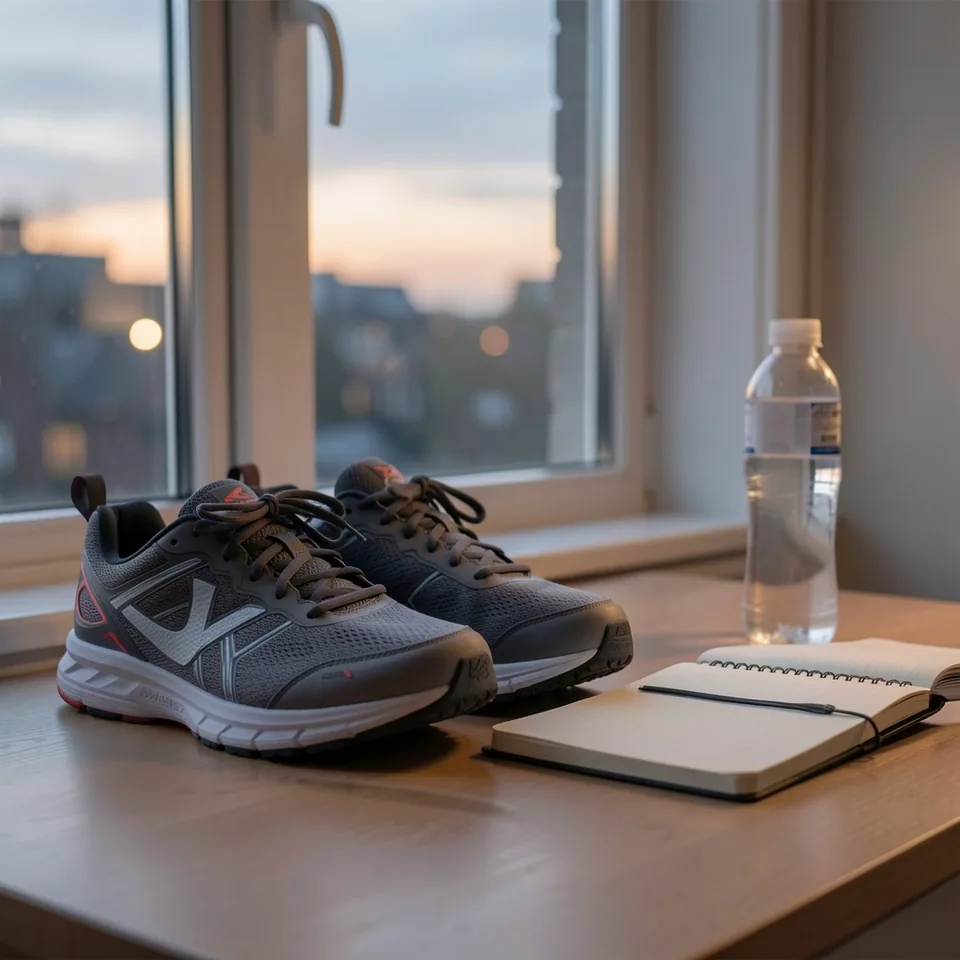
Carefully researched editorial notes exploring human biomechanics, workstation ergonomics, and sustainable daily vitality.
Four deliberate postural micro-movements designed to relieve cervical tension and re-engage dormant spinal erectors during intense work blocks.

How the ball-and-socket structure of human hips requires multi-directional articulation to maintain resilient cartilage throughout adulthood.

Investigating the physiological link between morning light exposure, midday step cadence, and nighttime slow-wave recovery architecture.
Select your primary daily situation to identify the most beneficial functional starting point.
| Workday Pattern | Primary Physical Challenge | Recommended Protocol | Frequency |
|---|---|---|---|
| High Desk Hours (7+ hrs) | Hip flexor tightening & thoracic kyphosis | Hourly standing thoracic extensions & hip openers | 2 mins every 60 mins |
| Sedentary Commute Routine | Sluggish venous circulation & lethargy | Dedicated brisk walking at 105+ steps/min | 20 mins morning & evening |
| Active Recreational Athlete | Accumulated muscular tightness & joint friction | Dynamic joint rotations & active recovery walking | 15 mins pre- and post-session |
| Interrupted Evening Rest | Elevated sympathetic nervous arousal | Floor spinal decompression & diaphragmatic breathwork | 10 mins before bed |
Meaningful improvements in physical stamina and posture do not require extreme regimens. They stem from consistent, repeatable daily observations and thoughtful ergonomics adjustments.